Table of Contents
Professional apartment cleaning produces the result you paid for when the surfaces scheduled to be cleaned are accessible at the start of the visit. A cleaner who spends the first part of the appointment moving dishes to reach the sink, stepping around clothing to get to bedroom floors, or repositioning bathroom items to access the tub is not cleaning. They are handling clearing work that preparation should have covered before they arrived.
This is not a performance problem on the cleaner's part. It is an access problem. Cleaning requires a clear path to the surface being cleaned. Preparation creates that path.
This guide covers exactly what to do before a professional apartment cleaning visit: what to clear in each room, what to avoid doing, what to communicate before the appointment, and a same-day checklist you can run in under ten minutes.
Why Preparation Affects Clean Quality
Professional cleaning runs on a defined checklist. Each room has a sequence, and each surface type within that room is assigned to a specific phase of the visit. When personal items physically block a surface, the cleaner faces one of two choices: spend time moving those items to reach the surface, or work around the blocked area and leave part of it uncleaned.
Moving items eats directly into cleaning time. Working around them means an incomplete result. Neither produces the outcome you paid for.
This problem shows up more sharply in apartment units than in larger homes. In 600 to 900 square feet of living space, a kitchen counter covered by appliances, mail, and daily-use items represents a meaningful share of the total horizontal kitchen surface in the unit. A bathroom floor with clothing and personal care items scattered across it in a compact bathroom leaves little open floor area for thorough edge-to-corner mopping. The ratio of blocked surface to total available surface runs higher in compact apartments than in larger single-family homes. The preparation stakes are proportionally higher.
Preparation is not pre-cleaning. You are not expected to scrub the toilet before the cleaner arrives. You are expected to make the toilet area physically accessible so the cleaner can scrub it completely. Moving items off a surface is preparation. Treating and cleaning the surface is the job you hired out. These are not the same task.
The Core Rule: Clear Access to Every Surface
Every surface your cleaner is scheduled to clean needs to be physically accessible when they arrive. Personal items blocking a surface do not need to be permanently organized, stored, or arranged neatly. They need to be moved somewhere so the surface underneath is reachable when cleaning begins.
Where items go during the visit is completely up to you. A cleared counter does not mean a perfectly organized counter. It means the counter itself is accessible. That is the entire requirement.
Room-by-Room Preparation Guide
Kitchen
The kitchen takes more cleaning time than any other room in an apartment and has the highest concentration of surfaces where clear access determines the quality of the result. Preparation in the kitchen has more direct impact on visit outcome than any other room.
Before your visit:
- Clear dishes from the sink. The full sink basin, all faucet hardware, and the counter area immediately around the sink need clear access to be cleaned completely. A pile of dishes in the basin means partial coverage of a surface that should receive full sanitization treatment. Even consolidating dishes to one side opens the rest of the sink and the faucet area for complete coverage.
- Move items off the stovetop. Pots, pans, and anything sitting on burner grates should come off before the visit. Stovetop cleaning requires access to every burner component, drip pan, and the surrounding range surface. Items left on burners during a cleaning visit prevent complete treatment of those areas, period.
- Clear the counters as much as your daily setup allows. This is the single highest-impact preparation step in any apartment kitchen. When appliances, a coffee maker, a knife block, and a collection of daily-use objects cluster across the counter, the cleaner works around those objects and addresses the visible surface beside them. Cleared counters get a complete edge-to-edge wipe-down including the back corners and the areas that only get addressed when everything is off the surface. Even consolidating everything to one side opens the rest of the counter for full coverage.
- Handle the trash. Standard apartment cleaning does not include removing trash from the building. A full bin stays full after the visit. An accessible bin area, including the floor around it, is part of what gets swept and mopped. If the bin is full before the visit, take care of it ahead of time.
What you do not need to do: Pre-wipe counters, degrease the stovetop, run the dishwasher, clear the dish rack, or empty the refrigerator. Interior refrigerator cleaning is a separate add-on scope. Surface-level kitchen cleaning is our scope. What we need from you is physical access to those surfaces, not pre-treated ones.
Bathrooms
Apartment bathrooms are compact, high-use rooms where sanitation and clean quality matter more than in almost any other area of the unit. Preparation here takes less than five minutes and directly determines how thoroughly the tub or shower floor, the toilet surrounding area, and the vanity get treated.
Before your visit:
- Move personal care items off the shower or tub floor. Shampoo bottles, razors, soap dishes, and personal care items sitting directly on the tub or shower floor need to come off before the visit. Grout lines and the tub floor surface cannot be properly scrubbed with items physically sitting on them. Mounted wall caddies and wall shelves do not need to be cleared. Only floor-level items and those sitting directly in the path of scrubbing work need to be moved.
- Clear the vanity counter. Daily-use items covering the vanity counter should be set aside in a cabinet, a drawer, or grouped on a shelf before the visit. The full counter surface, the sink basin, and all faucet hardware need clear access for complete sanitization. Toothbrushes, face wash, and contact lens cases pushed to the side mean a partial wipe of whatever is visible between them.
- Clear the bathroom floor. Clothing, towels, and personal items on the bathroom floor need to come up before the visit. Thorough mopping, including the edge along every wall, the area behind the toilet, and the space under the vanity, requires an unobstructed floor surface. A bath mat sitting on the floor is fine if it gets picked up and moved. Clothing stacked in front of the toilet area is not.
Bedrooms
Bedroom preparation is where both over-preparation and under-preparation show up most consistently. Many residents spend time organizing surfaces and tidying things that have no bearing on clean quality, while skipping the one step that does: getting items off the floor.
Before your visit:
- Move clothing and personal items off the floor. Anything on the bedroom floor needs to be in a hamper, hung up, or placed somewhere that is not the floor before the visit. Vacuuming carpet and mopping hard floors completely requires an open floor. This is the only mandatory preparation step for bedroom floors.
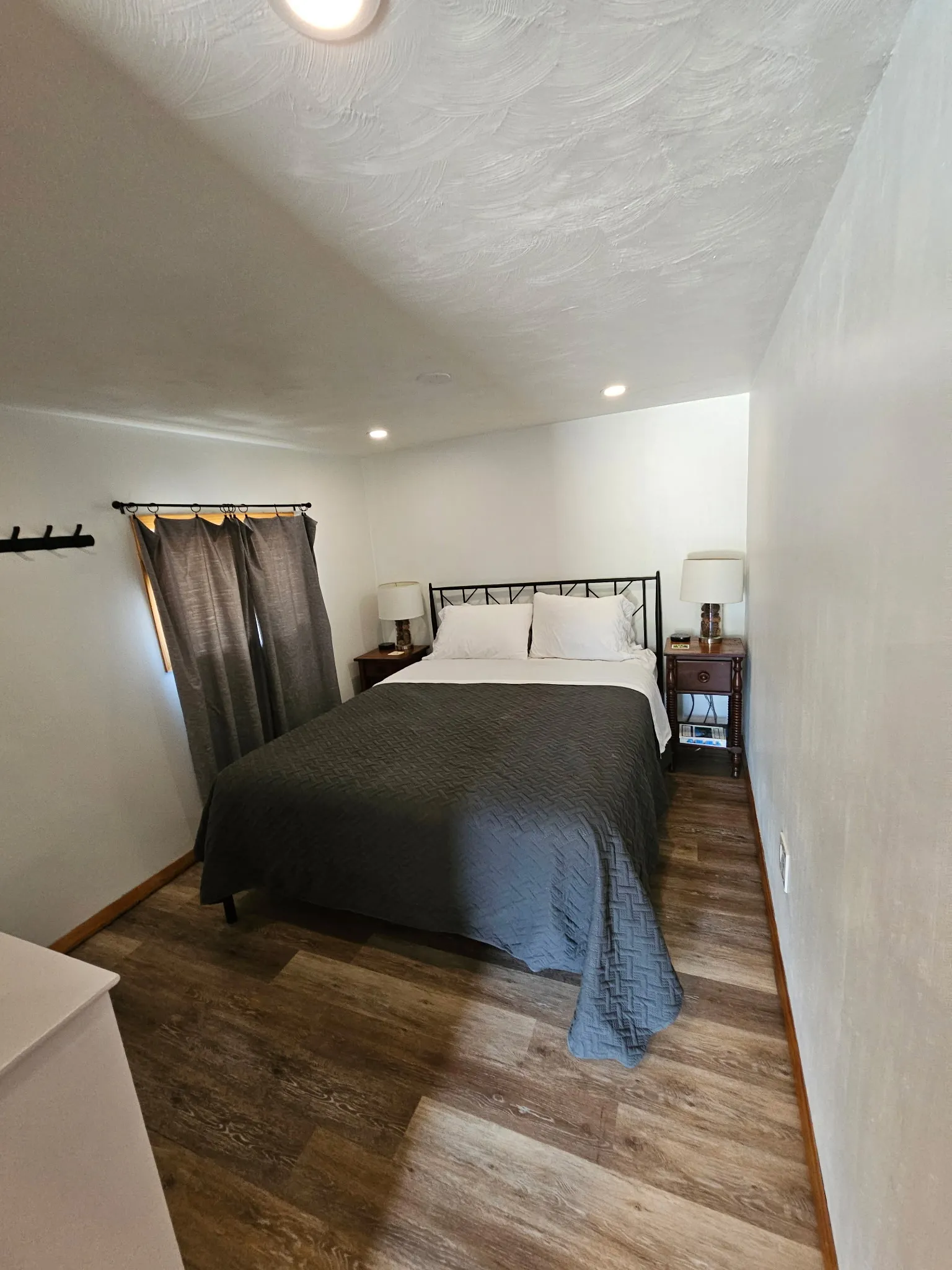
- Clear surfaces if you want them fully treated. A nightstand with items on it will be wiped around those items. A cleared nightstand gets a full wipe of the entire surface. Neither approach is wrong. It depends on what you want the visit to accomplish.
- Note any fragile or sensitive items. If something in the bedroom is breakable, irreplaceable, or something you would prefer not to be repositioned during the visit, either move it yourself beforehand or mention it at booking. We return every item to the position it was in at the start of the visit. Communicating concerns before arrival removes any ambiguity.
Living Areas and Dining Areas
Before your visit:
- Clear items from tables you want fully cleaned. Magazines, remote controls, mail, and daily-use objects left on coffee tables and dining surfaces stay in place during the visit. The cleaner works around them. Move them if you want the complete surface cleaned.
- Clear the floor in main areas. Shoes, bags, and personal items scattered across the living room floor need to be picked up or moved aside. Vacuuming and mopping paths require open floor access. Items on the floor between furniture pieces and along walls are where thorough floor cleaning either happens or does not.
Entryway and Hallways
The entry point of an apartment collects more dirt and tracked-in debris per square foot than anywhere else in the unit. It is also the first area a landlord, property manager, or guest sees when the door opens. Preparation here takes two minutes and makes a visible difference.
Before your visit:
- Consolidate shoes. A collection of shoes spread across the entry floor is the main impediment to a thorough entry clean. Group them in a designated area or move them to a closet.
- Pick up floor-level items. Bags, coats, and personal items sitting directly on the entryway or hallway floor should be cleared before the visit. Entry floor coverage, including the edges and the area under wall hooks, requires an open floor.
What NOT to Do Before a Cleaning Visit
Several preparation habits seem helpful but actively work against a quality result:
- Pre-spraying surfaces with household chemicals. If you treat a counter or bathroom surface with bleach, a strong acid cleaner, or an ammonia-based product shortly before the cleaner arrives, product mixing becomes a safety consideration. Professional cleaning uses products selected for each specific surface type. An untreated surface with clear access is what a professional cleaner needs. A surface that has been treated with an unknown product creates a chemistry variable that requires a pause and assessment.
- Rearranging your apartment to look more organized. A professional cleaner is not there to assess your organizational choices. Moving furniture to different locations, relocating daily-use items to places they do not normally live, or rearranging your kitchen creates confusion about where things belong when items are returned to position after cleaning. Prepare for access. Do not stage for presentation.
- Starting preparation at the appointment window. A ten-minute walk-through the night before covers every room in this guide without time pressure. Starting five minutes before the cleaner arrives produces rushed, incomplete clearing, surfaces still without full access, and a visit that begins behind before the first room is started.
- Assuming compact apartments need less preparation. Studios and one-bedroom apartments have the same room types as larger units in a smaller total footprint. That makes blocked surfaces a proportionally higher share of total accessible surface, not a lower one. Preparation matters as much in a 650-square-foot studio as in a 1,500-square-foot two-bedroom.
What to Communicate Before the Visit
Physical clearing handles the access side of preparation. Information handles the rest. What you share before the appointment shapes how the visit is scoped and what the cleaner prioritizes when they walk in.
- Flag the condition if the unit has not had professional cleaning recently. Accumulated buildup in grout lines, stovetop components, range hoods, and cabinet detail areas takes more time to address than routine maintenance cleaning covers. A first visit after an extended gap often runs longer than subsequent visits. Communicating this at booking lets the appointment get the right time allotment and accurate pricing before anyone shows up.
- Share specific surface concerns in advance. Natural stone counters that need a particular approach, hardwood floor finishes with product sensitivities, painted surfaces requiring careful handling. This information determines which products get applied to which surfaces. Share it before the visit so the right choices are made from the start of the job, not mid-visit when the wrong product may already have been applied.
- Confirm building access details. Entry codes, buzzer systems, elevator-access floors, key exchange requirements, parking logistics, and any building management access rules. Apartment access involves specifics that single-family homes do not have. Confirming these details in advance prevents a delayed start or a missed appointment window entirely.
- Mention pets. Which areas the animal accesses during the day, whether they need to stay in a specific room during the clean, and any considerations that affect how the visit is run.
Same-Day Checklist
Ten minutes before the appointment, run through this list:
- Kitchen: Dishes out of the sink or consolidated to one side. Stovetop clear. Counters cleared or consolidated. Trash emptied or bin area accessible.
- Bathrooms: Shower and tub floor clear of personal care items. Vanity counter cleared. Bathroom floor clear of clothing, towels, and personal items.
- Bedrooms: Clothing off the floor. Surfaces cleared or adjusted to your preference for this visit. Any fragile items noted or relocated.
- Living Areas: Table surfaces cleared or adjusted. Floor clear of shoes, bags, and items in main cleaning paths.
- Entryway: Shoes consolidated or moved. Floor-level items picked up.
- Communication: Building access details confirmed with cleaner. Surface concerns or first-visit condition flagged if applicable.
Nothing on that list requires cleaning. Every item on it requires clearing. Clearing is what you handle before the visit. Cleaning is what we handle during it.
Special Situations
A few scenarios where preparation looks different from a standard recurring visit:
- First visit after an extended gap. Your preparation checklist stays the same. What changes is the approach on our end. Accumulated buildup in grout lines, kitchen exhaust surfaces, range components, and the detail areas that rarely receive attention requires more time than maintenance cleaning covers. Flag this when you book so the appointment gets the right time and is priced accordingly for the initial baseline reset.
- Moving into a new unit before furniture arrives. An empty apartment essentially completes the preparation checklist on its own. Every floor is accessible. Every counter is clear. The main considerations for this situation are coordinating building access and confirming the timing window with building management before we arrive.
- Preparing for a lease-end walkthrough. Move-out cleaning requires the unit to be completely empty before the visit begins. Every surface, cabinet interior, floor section, and detail area needs full access for the walkthrough scope to be completed in a single visit. Surface-level clearing is not sufficient here. All personal items and furniture need to be out of the unit before we arrive. If you are approaching a move-out, contact us before booking the standard apartment cleaning appointment to confirm the right scope for that situation.
Schedule Your Apartment Cleaning
Preparation is the part you handle once before the first visit. After that, it becomes a short routine that stays consistent visit to visit.
Sparkling Ventures LLC provides professional apartment cleaning across the Denver Metro Area. Veteran-owned. Transparent pricing starting at $200. Consistent results from the first visit through every recurring one after it.
Call (928) 303-2020 to schedule or ask a direct question about your unit before committing to a booking.
For the full scope of what every apartment cleaning visit covers, what is included in the standard service, and how pricing is determined for your unit configuration, visit our professional apartment cleaning page.
Our full residential cleaning practice for the Denver Metro Area is covered under Cleaners.
Get a Free Estimate